Self-Installation of Sod: A Comprehensive Guide for Homeowners
If you want to upgrade your outdoor space, DIY sod installation might be the perfect solution. With the right preparation and approach, you can achieve a lush, green lawn that enhances your home. Before you begin, however, there are key factors to consider to guarantee success. Let's explore the steps you need to take to create a vibrant lawn that you can be proud of.
Picking the Ideal Type of Sod for Your Lawn
While choosing the right type of sod for your lawn, how do you identify which variety will thrive in your specific environment? Begin by considering your climate. Warm-season grasses, for example Bermuda and Zoysia, flourish in warm, sunny areas, while winter grasses, for example Kentucky Bluegrass and Fescue, prefer cooler temperatures. Next, think about sunlight exposure. If your lawn gets complete sun, you can go with a broader range of options. However, shaded spots often need specialized varieties. Also, examine your lawn's use; if it's high traffic, you'll want a durable type. Finally, reach out to local gardening centers or extension services to get guidance based on your region. Picking wisely now will produce a lush, healthy lawn later.
Prepare Your Lawn: Site Preparation and Soil Testing
Before you lay sod, it's essential to adequately prepare your yard, starting with soil testing and site preparation. First off, test your soil's pH levels and nutrients using a simple kit from your local garden center. This will help you pinpoint what modifications your soil demands for best growth.
Next, remove any debris, weeds, or old grass. If necessary, employ a shovel or a sod cutter to remove existing grass and roots. Next, till the soil to a depth of about 4-6 inches, enabling better drainage and root penetration.
Lastly, grade the soil to establish an even surface, guaranteeing good contact between the sod and soil. Implementing these procedures will offer your new sod the finest conditions to thrive.
Equipment and Supplies for DIY Sod Installation
Assembling the right tools and materials is vital for a successful DIY sod installation. Start with a sharp spade or sod cutter to eliminate old grass and prepare the area. You'll also need a rake for leveling the soil and a shovel for digging. A garden hose or sprinkler will help you ensure proper irrigation after laying the sod. Don't forget a measuring tape to organize your layout accurately.
When it comes to materials, purchase quality sod that suits your climate and soil type. Furthermore, grab some topsoil or compost to improve your existing soil, and consider a roller to flatten the sod once it's laid. Getting these tools and materials ready will make your installation process more efficient and smoother.
Detailed Walkthrough: Laying Down DIY Sod With Professional Results
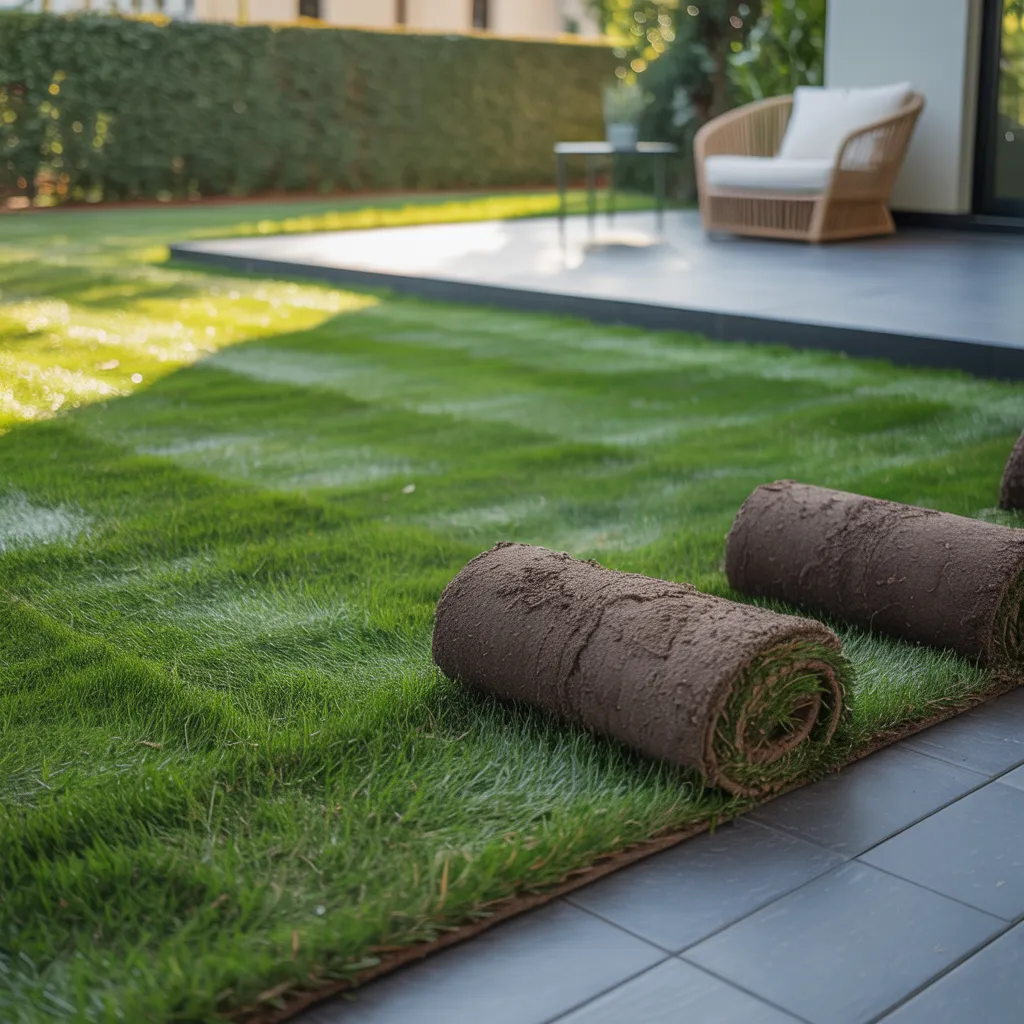
Installing sod can turn your yard into a verdant, green paradise in only a few hours. To start, prep the space by removing debris and evening out the soil. Next, moisten the soil slightly to help the sod establish better. Start laying the sod along a straight edge, staggering the seams like bricks. Push the borders together tightly to remove gaps. Use a sharp knife to trim any excess sod at the edges. Following placement, roll the sod softly with a roller to confirm adequate soil contact. Hydrate the sod instantly, drenching it fully. Keep the sod moist but not soggy for the first couple of weeks. Adhere to these guidelines, and you'll possess a stunning lawn very soon!
Important Irrigation and Care Suggestions After Laying Turf
Once your sod has been successfully laid, adequate watering and care are essential to making sure it establishes roots and flourishes. Begin by irrigating your newly laid sod as soon as installation is complete, saturating it completely to encourage deep root growth. For the first two weeks, keep the soil consistently moist, applying water one to two times per day if it's hot and sunny. Subsequently, decrease irrigation to two to three times weekly, depending on rainfall and temperature. Be certain to cut your sod once it attains about three inches in length, but don't cut more than one-third of the height at once. Finally, apply a starter fertilizer after roughly four weeks to provide your fresh lawn with necessary nutrients to thrive.
Resolving Issues: What to Do If Your Sod Won't Establish?
If your sod isn't taking, it's time to troubleshoot the issue. Initially, check soil moisture levels, as overwatering or underwatering can impede development. Next, check for pest problems and evaluate sunlight exposure to verify that your sod gets the ideal circumstances to flourish.
Inspect Ground Moisture Amount
How can you tell if your soil has the right moisture levels for sod to thrive? Begin by checking the soil manually with your hands. Reach down roughly an inch; the soil should be moist yet not overly wet. Dry conditions can prevent your sod from establishing a strong root system. Water the area thoroughly and wait a couple of days before rechecking. Puddles or muddy soil indicate potential overwatering. Another method is using a soil moisture meter, which gives a clear reading of moisture levels. Ideally, you want the soil to be consistently damp but well-draining. Adequate moisture ensures your sod establishes roots and develops vigorously, creating the basis for a verdant lawn. Make adjustments as needed for best results.
Search for Pests
Examining for pests is vital when your sod fails to take root properly. Begin by inspecting the grass blades and soil for any begin now signs of insects such as grubs, chinch bugs, or sod webworms. Watch for uneven patches, discoloration, or dead spots, which could indicate an infestation. If you detect any pests, act promptly. You can use insecticidal soap or neem oil for a organic approach, or opt for chemical treatments created for specific pests. Moreover, check for evidence of disease, like fungus or mold, which can also compromise your sod's health. Don't forget to inspect the adjacent area, too, as pests can easily transfer from nearby plants. Tackling pest issues immediately will help your sod flourish.
Examine Sun Exposure
Can you confirm your sod is obtaining enough sunlight? If your sod isn't taking root, inadequate sunlight may be the culprit. Most grass types prosper in full sun, needing at least 6 to 8 hours of direct sunlight every day. Inspect your yard for any shading from trees, buildings, or fences that may block essential light. If you identify areas lacking sunlight, consider pruning overgrown plants or relocating sod to a sunnier spot. You could also investigate shade-tolerant grass varieties if your yard is primarily shaded. Remember, healthy grass needs that sunlight to develop deep roots. Monitor your sunlight exposure frequently, and make changes as needed to ensure your new sod thrives.
Should You Call in the Pros for Your Lawn?
While many homeowners take pride in their DIY skills, installing sod can be a challenging task that makes you question whether you should call in the experts. If you don't have landscaping expertise or lack sufficient time for the undertaking, bringing in experts could be your ideal choice. They'll guarantee proper soil preparation, exact calculations, and superior installation techniques, leading to a beautiful, flourishing yard.
Furthermore, if your property has unique challenges, like poor drainage or uneven terrain, professionals can handle these concerns effectively. Remember, enlisting professional help can help you avoid time and frustration, producing a healthy lawn that enhances your residence's curb appeal. In the end, weigh your skills and schedule against the prospective benefits of bringing in a pro.
Common Questions
What's the Timeline for Sod to Root Correctly?
It usually takes around two to three weeks for sod to root properly. Throughout this period, maintain consistent soil moisture, and keep off the lawn to guarantee your new lawn establishes well.
Is Installing Sod During Winter Months Possible?
Winter months aren't suitable for sod installation. Cold temperatures hinder root development, making it difficult for sod to establish. It's best to wait until spring when growing conditions are more conducive to success.
What Should I Do if My Sod Develops Brown Spots?
If brown spots appear on your sod, investigate pests, diseases, or improper watering. Change your watering schedule, treat any issues, and ensure your lawn acquires sufficient nutrients. Consistent maintenance will assist in reviving those brown patches.
How Frequently Should I Fertilize My New Sod?
It's best to fertilize your new sod approximately six to eight weeks after installation. After that, use a balanced fertilizer every six to eight weeks during the growing season to ensure your lawn healthy and vibrant.
Do I Need to Edge My Lawn After Putting Down Sod?
Lawn edging should be done after your sod is installed. It establishes a crisp edge, elevates the visual presentation, and aids in preserving soil moisture. Additionally, it stops grass from encroaching on garden beds or walkways.